Before I became a teacher I worked for 10 years as a carpenter, starting as an apprentice, doing the simplest tasks on the construction site, learning a little every day, accumulating knowledge and experience until I got to the point where I was able to build a four-storey house with the help of no-one but a labourer. After a few more years I transitioned into the role of foreman, in charge of a team of carpenters and labourers and responsible for ordering the materials, communicating with the client, architect and sub-contractors (plumbers, electricians, etc.), scheduling inspections from the planning and permits office, and ensuring that the carpentry was done right and that it followed a tight schedule. I enjoyed the responsibility, and I liked knowing that if I did something today, in three or four- or five-months’ time it would allow something else to happen. Planning, predicting things based on past actions and events, scheduling, communicating, running a team: my job now is quite different and yet similar in many ways.
I’ve worked as the lead-teacher, co-teacher and only teacher in Montessori classrooms in Asia and Europe and have had a great deal of time to reflect upon the advantages and disadvantages of each. In my first year I worked alongside an experienced Japanese directress who was calm and methodical and presented the materials with a Zen fluidity that I still haven’t attained, even after almost two decades’ practice. She was also intransigent, set in her ways, cold and distant. Some -a lot, perhaps- of this was down to cultural differences (it is difficult to think of two nations more dissimilar than the Japanese and the Irish) but it made the job less enjoyable than it should have been, because the children, parents and my boss were all marvellous, but it’s not relaxing to spend 8 hours a day in a room with someone that you find it difficult to communicate with.
After I left Tokyo I taught in Beijing, where I was the only Montessori guide for a class of 25 children, and where my assistant was hired after I was, and had no experience or knowledge of the Montessori approach or indeed of anything related to child development or pedagogy. The disadvantage of being the only guide was that I had a seemingly endless array of duties and responsibilities, but the advantage was that I didn’t have a co-teacher that I had to persuade/
I learned many things from those two contrasting experiences. Most importantly I learned about the importance of developing independence: in the children and in my colleagues, and that an essential element of that is having an open mind and allowing my colleagues to try different things. I didn’t focus on what my young and inexperienced colleague didn’t know, I tried to look at her strengths and encouraged her to follow her interests in order to improve our class. I remembered how I’d been made to feel by my first colleague and tried with my second colleague -as I have tried with all my colleagues since- to make her feel at ease and to make her feel that she was valued.
In Shanghai and Neuchâtel and Taipei I was again the only Montessori Guide and enjoyed the responsibility, enjoyed thinking about the holistic nature of the job, the way everything is inter-connected, enjoyed observing how the schedule and the parents’ arrival time has a direct impact on the mood of their child, how the layout of the shelves can have either a positive or a negative influence on the atmosphere in the room, how the smallest piece of guidance -just a word or a nudge in the right direction and at the right moment- can have far more impact than the longest presentation, how children are the best teachers of children, how different children have very different rhythms -as adults do- so one will start the day full of energy while another gets increasingly productive as the morning wears on, and that knowing these and a thousand other details helped me to become a more effective, loving, caring guide.
I have also worked as a co-teacher -in Montessori schools in Shanghai (again) and Beijing (again) and Geneva- and enjoyed collaborating with fellow AMI or AMS graduates, enjoyed having a second opinion, watching my colleagues demonstrate new ideas or different techniques that I hadn’t considered or that I’d tried but which hadn’t worked for me, enjoyed seeing the children through someone else’s eyes, and I enjoyed the different perspective and the different way of presenting materials and guiding the children and interacting with the parents.

Robert Hughes was chief art critic for Time magazine, and while I was in San Francisco I went to an event where he was interviewed about his life in art. At the end of the evening he finished up by explaining that after all his reading, after all his experiences and after everything he’s learned, what he came back to, how he felt when he was a child in Australia and how he still felt as a grown man in the States, was perfectly encapsulated in the title of a small self-portrait that Goya sketched towards the end of his life, at 80 years of age, titled ‘Aun Aprendo.’ (Still Learning)
I’ve been thinking and talking and learning about Montessori for the better part of two decades. I’m grateful to all of the Montessorians that I have studied with, worked alongside or under, laughed with, socialised with and learned from. Without my colleagues and friends these years would have been a little less interesting and a lot less fun, and without them this website -and my Montessori Journey- wouldn’t have been possible.
Montessori Mentor is dedicated to them.
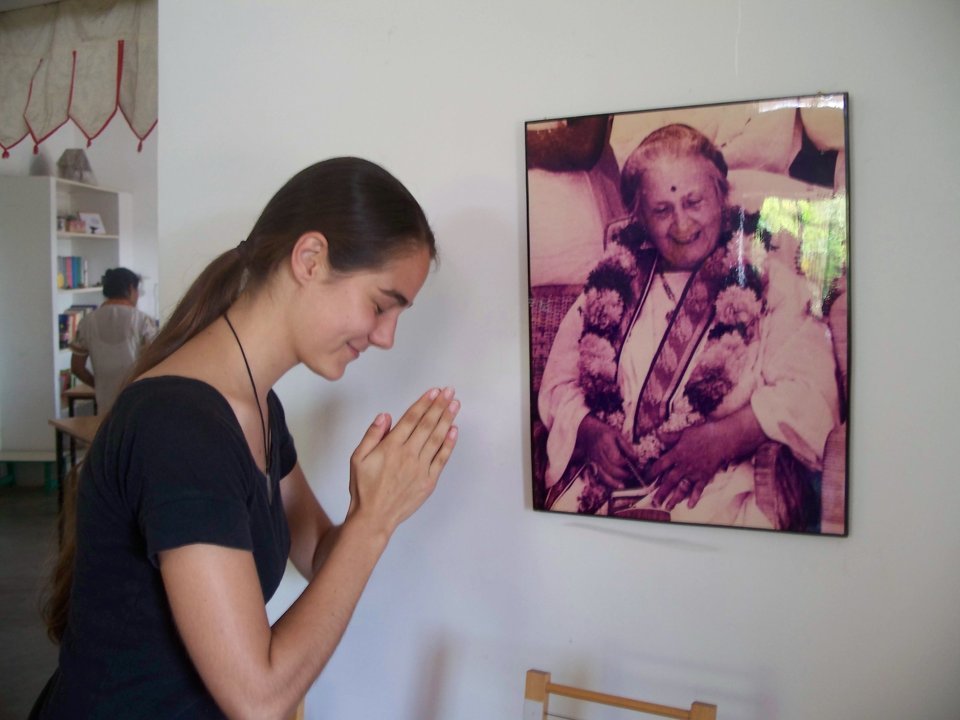
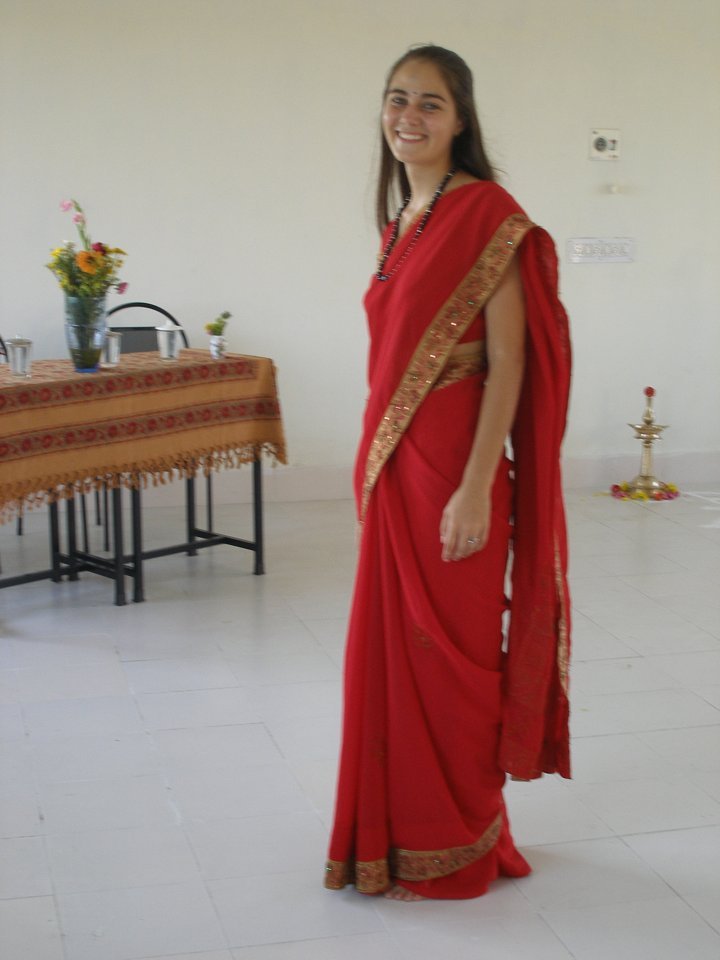
Laura in Chennai - 2007/


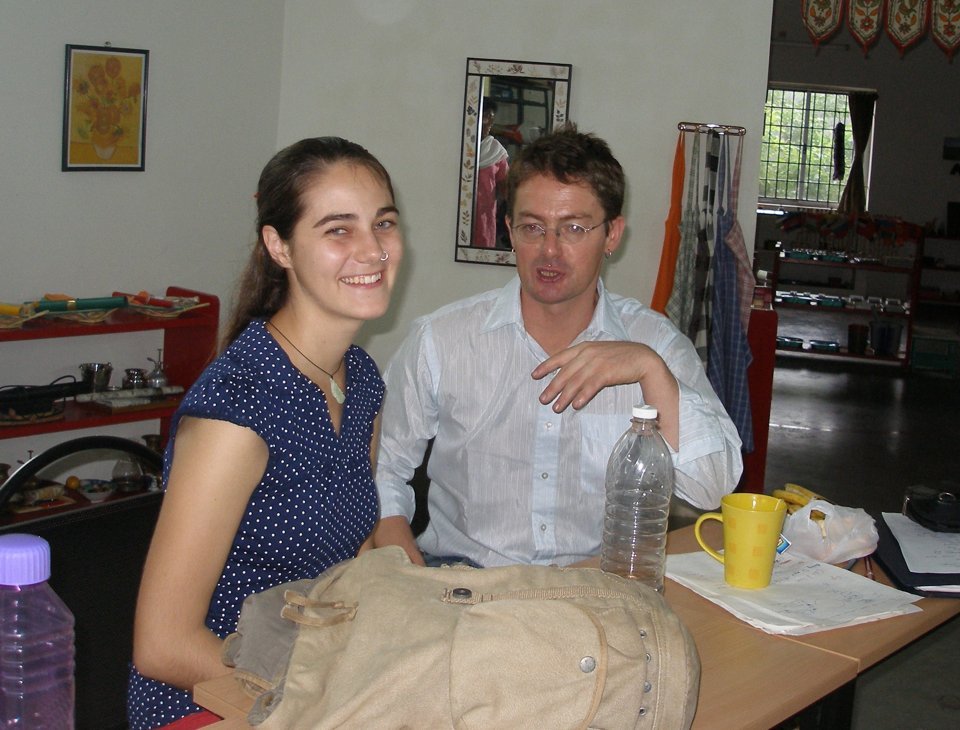
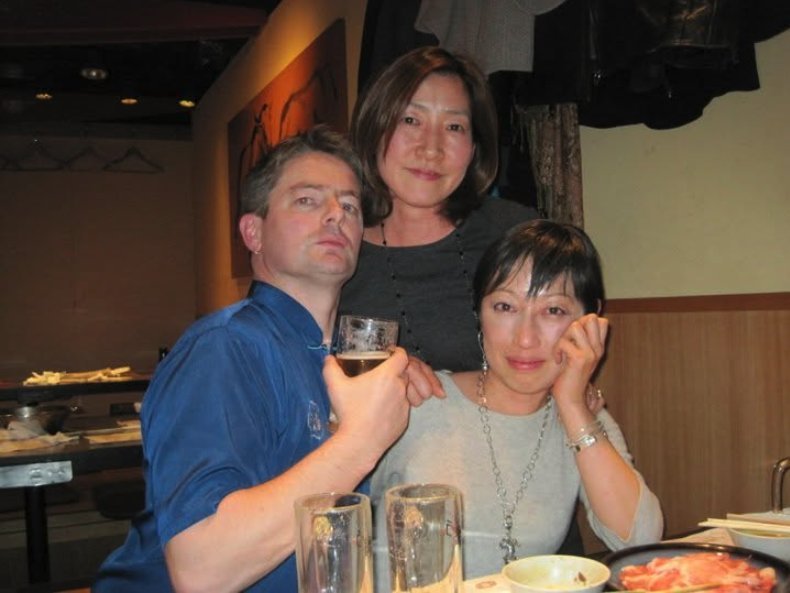
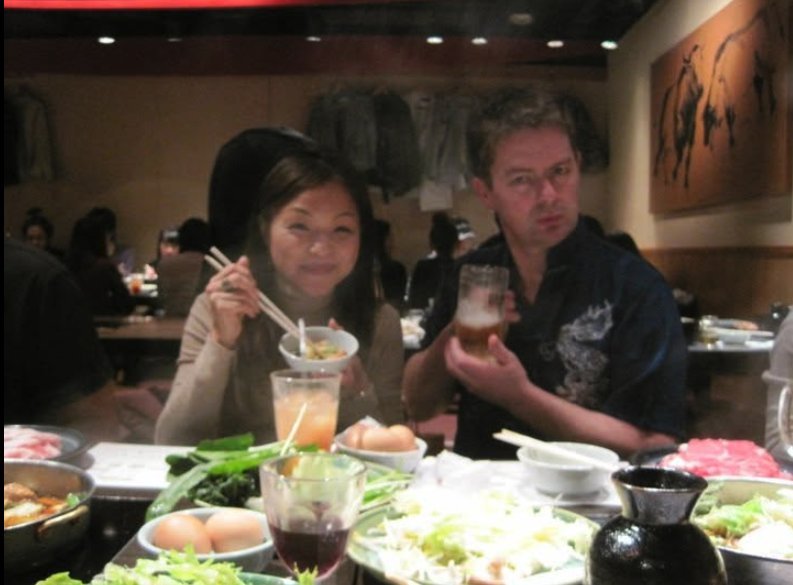
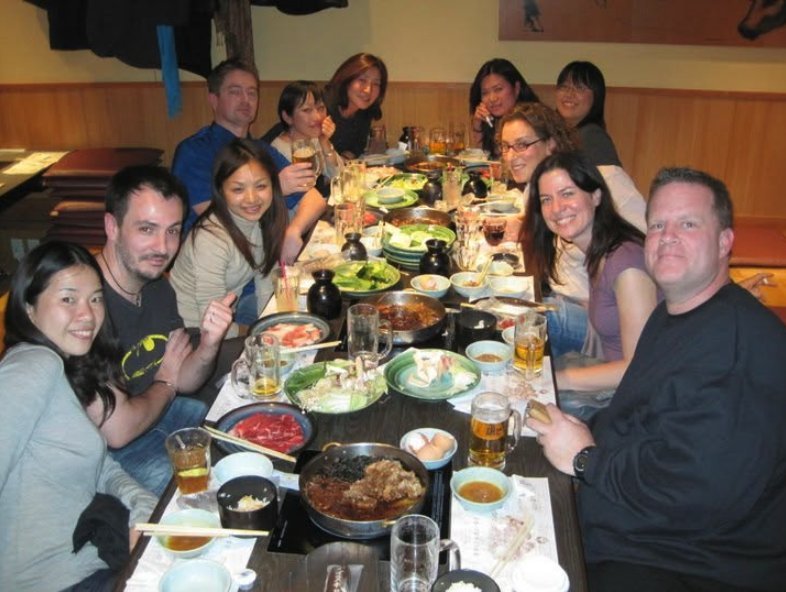
Pete and all my colleagues in Tokyo - 2008/

Suly and Sammi and Heyao and Alison in Beijing - 2011/
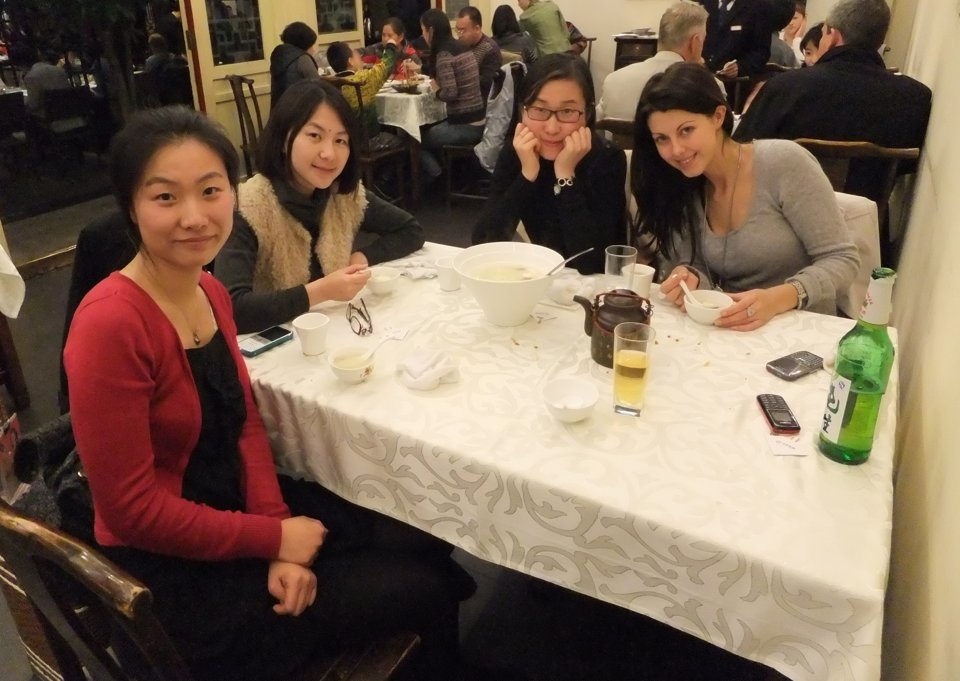


Serena in Beijing - 2011/
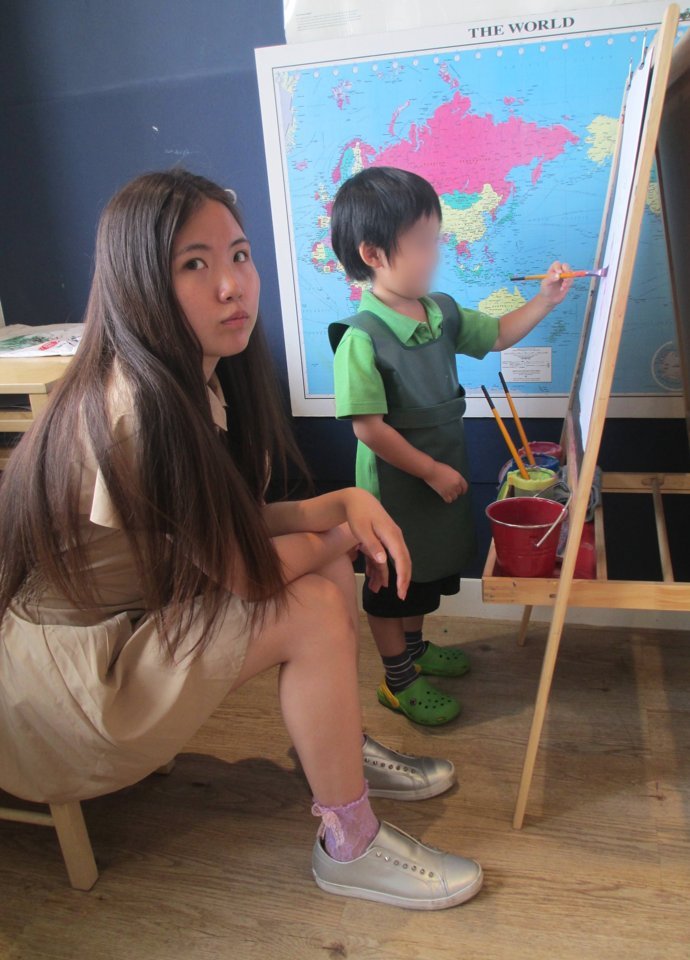

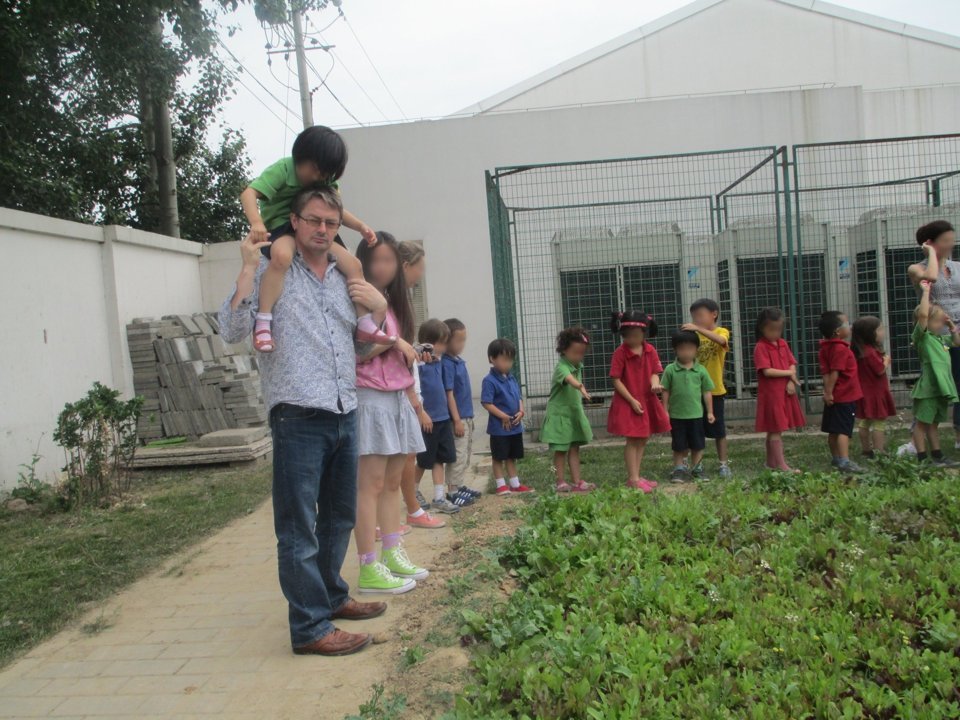

Nana in Shanghai - 2012/
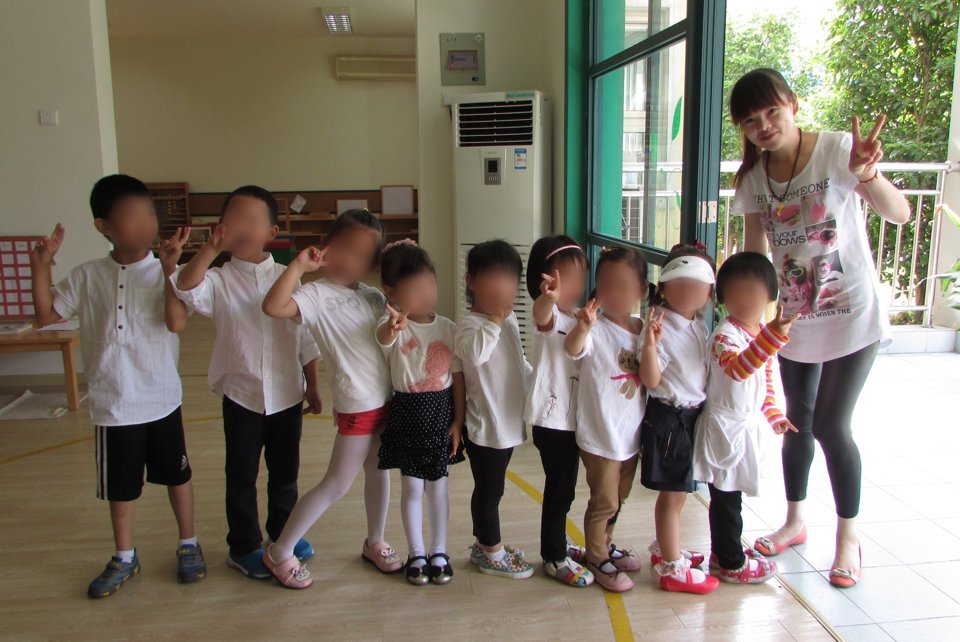


Marion and Olga and Stephanie in Geneva - 2016/
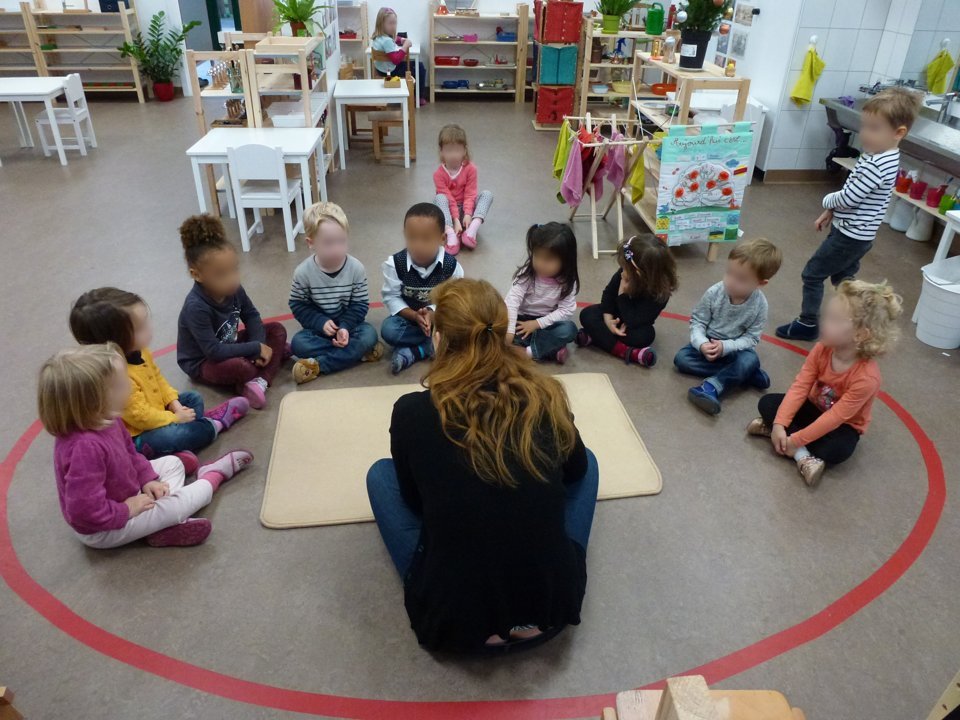






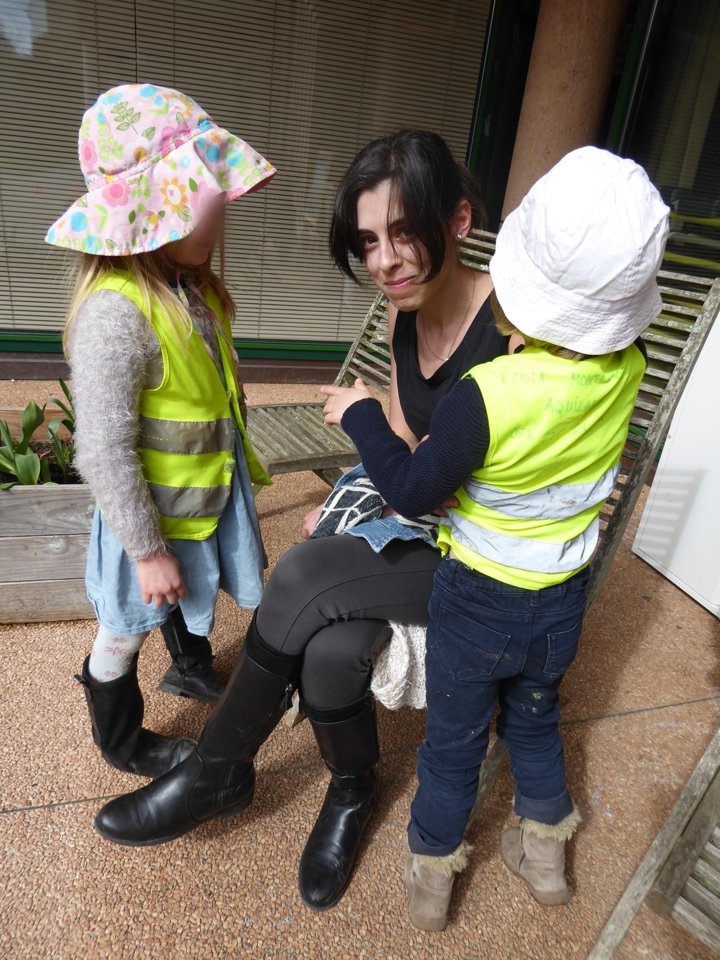
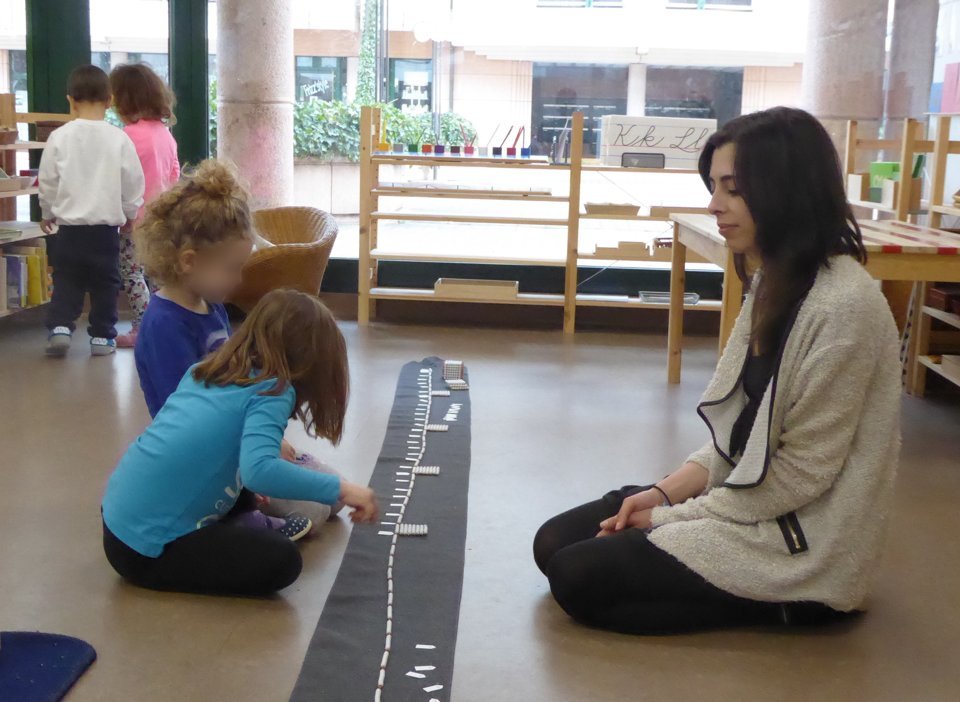

Crystal and all my colleagues in Taipei - 2019/


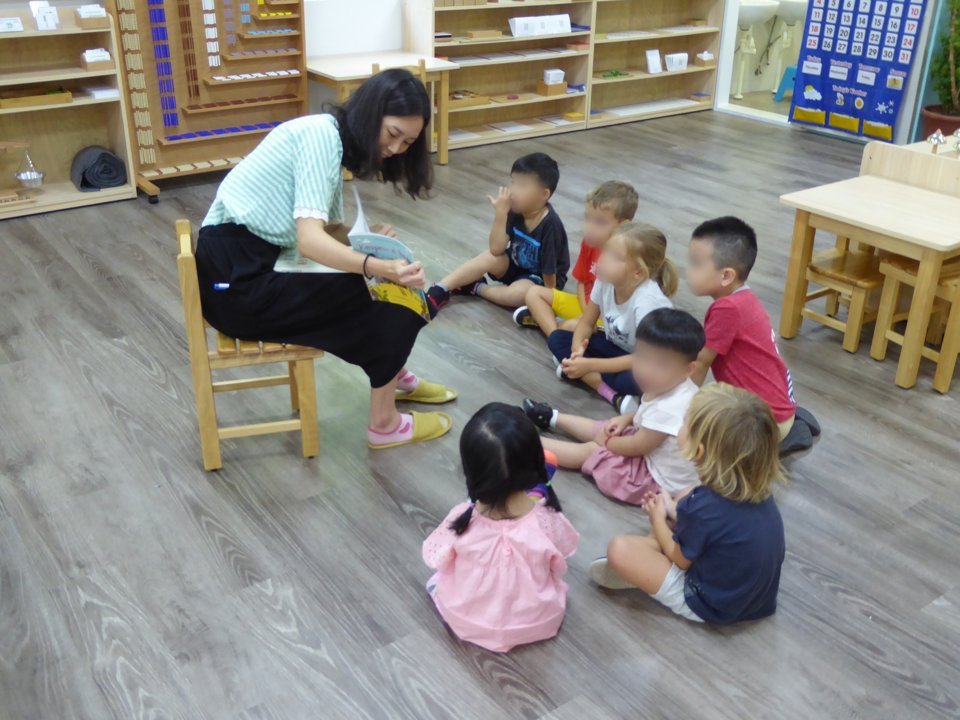


Naomi in Shanghai - 2022
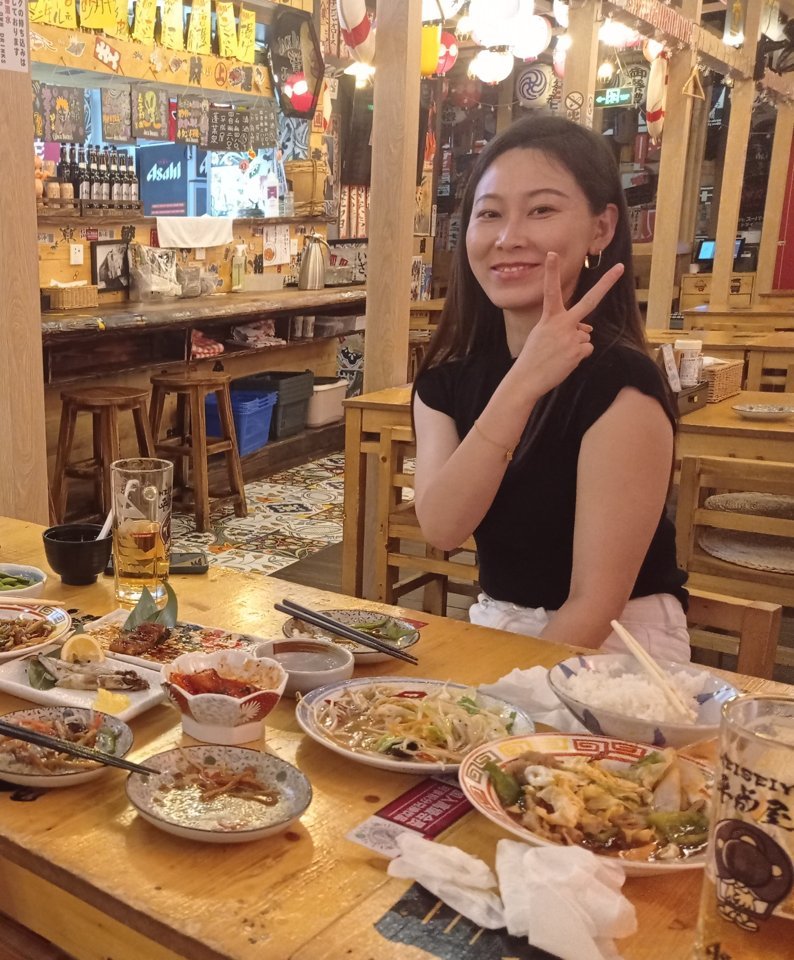


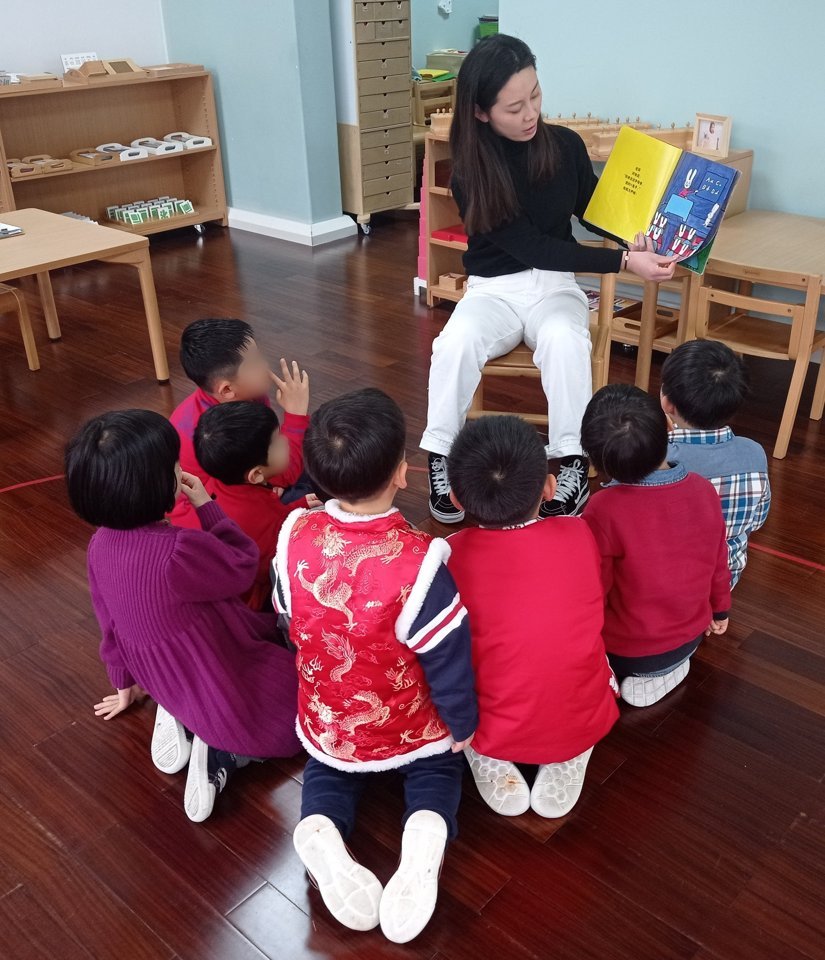
Fiona and Lele in Beijing - 2024/


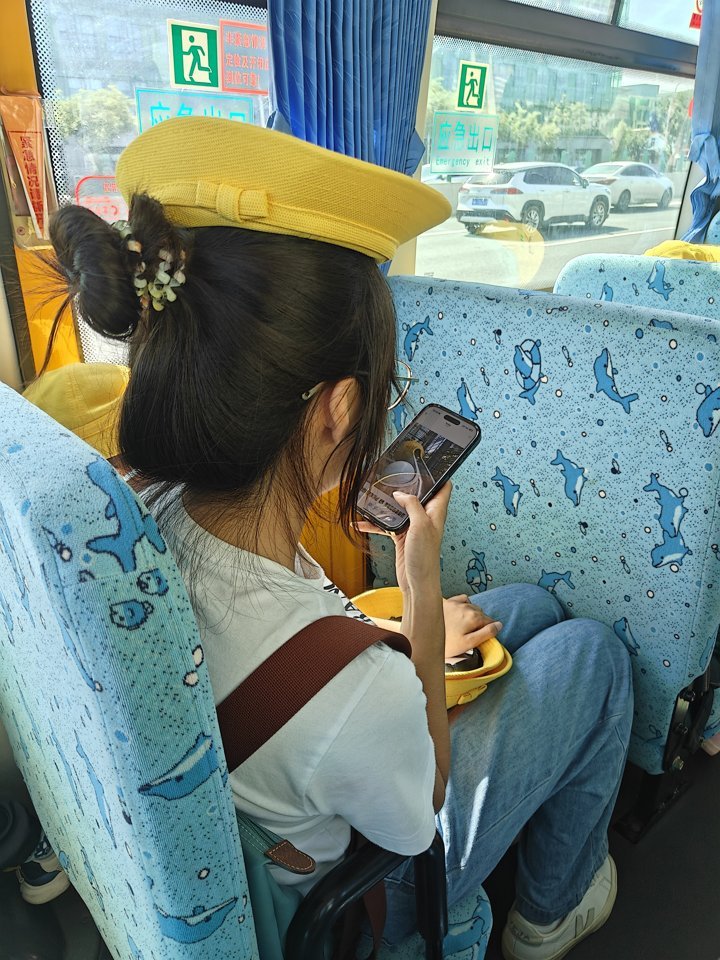


They were mighty craic: only took two years to get them to put down their phones.


